
Fragrance Family
balsamic
Warm, sticky-sweet, slightly medicinal in the best way. Balsamic fragrances have a depth that feels ancient — like something you'd find in an apothecary.
Editor's Picks








All balsamic Fragrances






































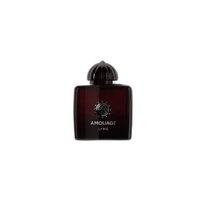






























What Defines Balsamic Fragrances?
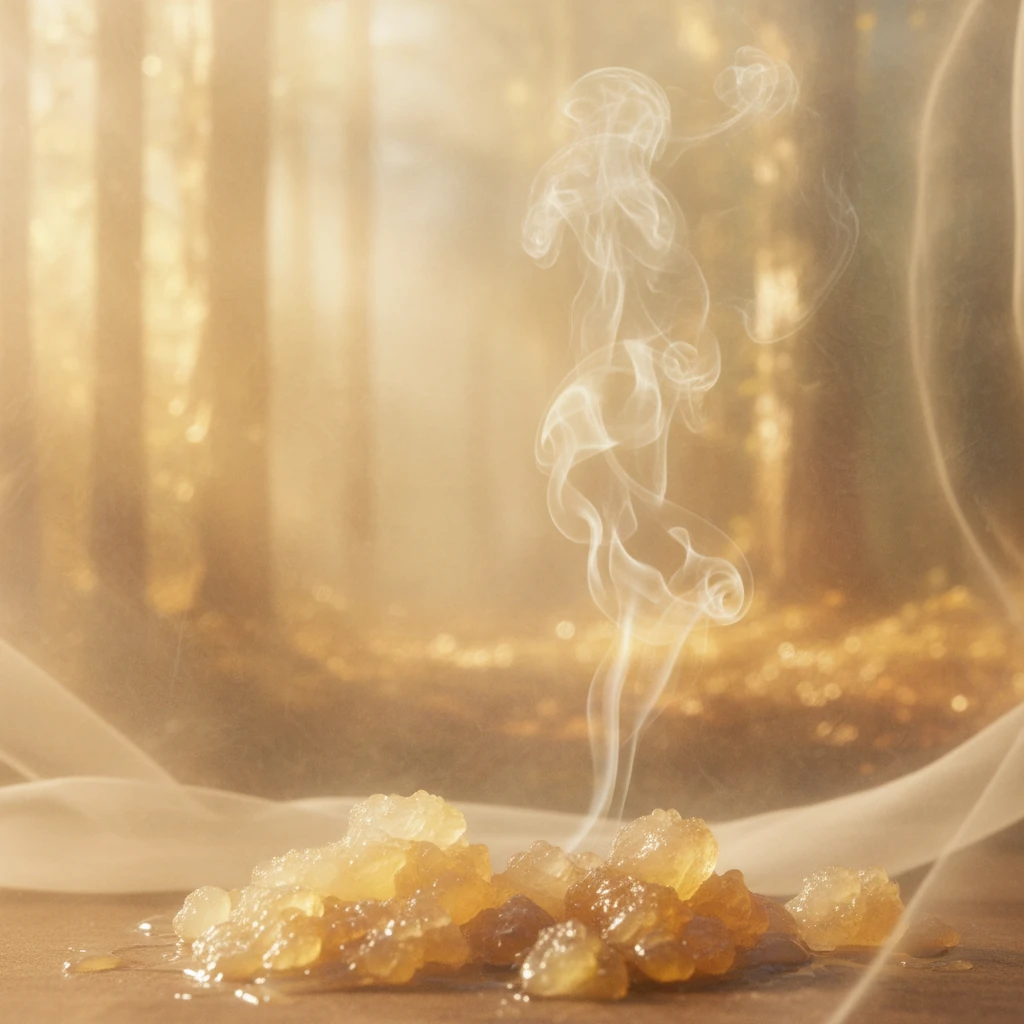
Think of the smell of a heavy, gold-leafed library or the resinous air of a sun-drenched pine forest in late August. Balsamic fragrances are the "glow" of the perfume world. They aren't about the fleeting sparkle of citrus or the obvious romance of a rose; they are about the slow-release warmth of resins, saps, and gums. These are scents with a physical weight to them—sticky, sweet, slightly spicy, and deeply comforting. In the UK, where the light is often grey and the air is sharp for ten months of the year, balsamic notes provide a sort of invisible cashmere wrap. They are fundamentally "expensive" smelling, often leaning into that slightly medicinal, ancient-temple vibe that somehow feels entirely modern on skin. If you’re looking for a scent that doesn't just sit on you but becomes part of your atmosphere—a quiet, constant hum of sophistication—this is the family to explore.
Understanding the Balsamic Family
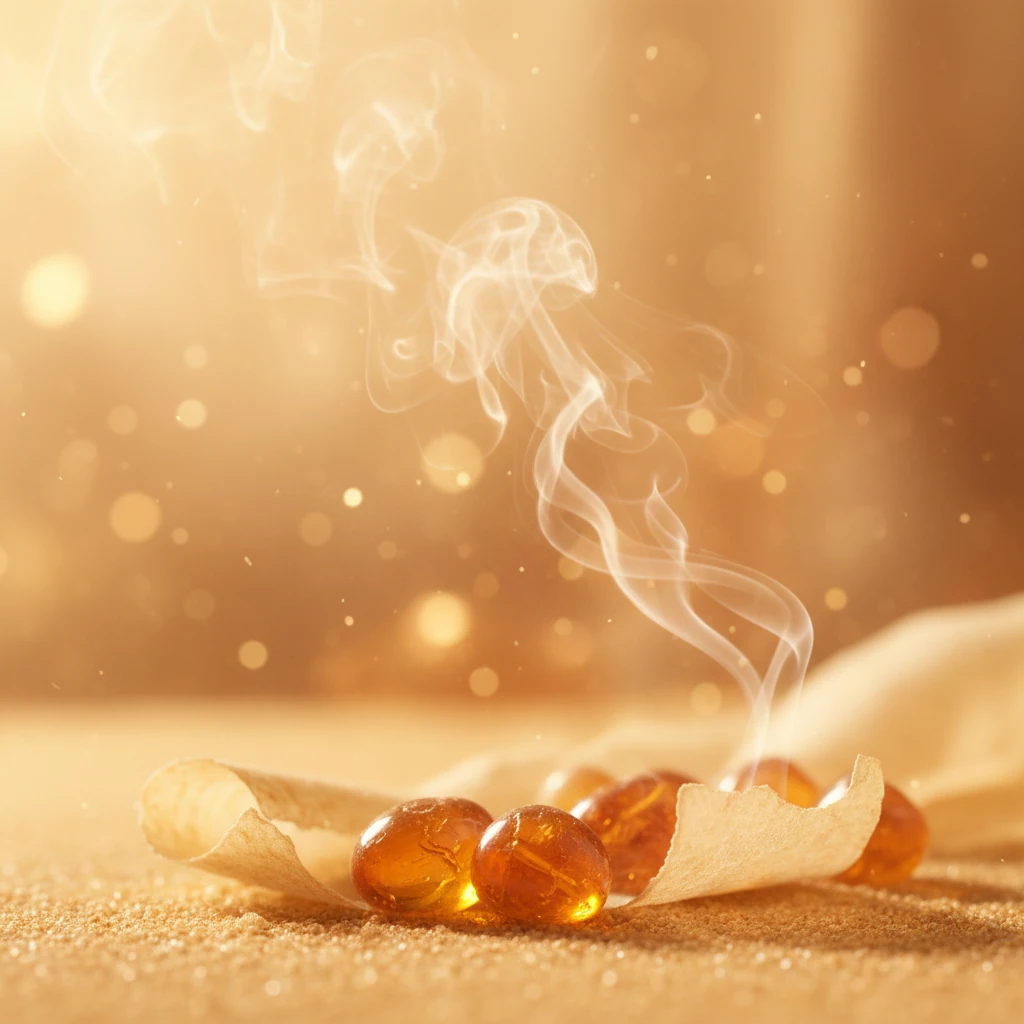
The magic of the balsamic family lies in its raw materials—mostly resins bled from trees that have been used in ritual and medicine for millennia. Benzoin is perhaps the most approachable; it’s a resin that smells like a more sophisticated, slightly balsamic version of vanilla, often giving a perfume its "fluffy" or "cloud-like" texture. Then there are the heavy hitters: Peru balsam and Tolu balsam. These are darker, richer, and carry a subtle cinnamon-clove edge that feels incredibly sultry. These resins aren't just there for the smell; they are the ultimate fixatives. They react to your body heat, "blooming" slowly over hours rather than minutes. On the skin, they start as a dense hum and gradually soften into a creamy, golden trail. Unlike floral or aquatic notes that can feel a bit "one-note" on different people, balsamic fragrances are notoriously chameleonic. They cling to your own chemistry, meaning the way a resinous scent wears on you during a damp London afternoon will be entirely different from how it feels on a crisp night in Edinburgh. It’s fragrance as an evolving mood, not just a static accessory.
When to Wear Balsamic Fragrances
Balsamic scents are the undisputed queens of the "Golden Hour." While they can be worn year-round if you have the confidence, they truly come alive when the temperature drops. Think October through March—they need the cold air to act as a canvas for their warmth. They are inherently "evening" scents—perfect for dates where you want to leave a lingering impression or dinners where the lighting is low and the wine is red. However, a lighter, benzoin-forward balsamic can be a surprisingly chic "Signature" scent for the office if you’re the type of woman who prefers structured blazers and expensive-looking neutrals. It’s the ultimate main-character energy for the colder months.
Buying Guide
When shopping for a balsamic fragrance, patience is your best friend. Because of the density of the resins, the "top notes" can sometimes be misleadingly sharp or even slightly medicinal. Give it at least twenty minutes on your skin before you decide; the dry-down is where the real magic happens. In terms of price, expect to pay a bit more for high-quality balsamic scents; real resins are expensive raw materials, and the complexity required to balance them is high. If a balsamic feels too heavy for you but you love the depth, try layering. A spray of something crisp and citrusy or a sharp, green floral over a balsamic base can create a "Fresh" version of a "Signature" scent that feels entirely bespoke. Look for descriptors like "Resinous," "Ambery," or "Incense" to find your next obsession. These are investment scents—they last longer on the skin and in the memory than almost anything else.