Fragrance Family
floral
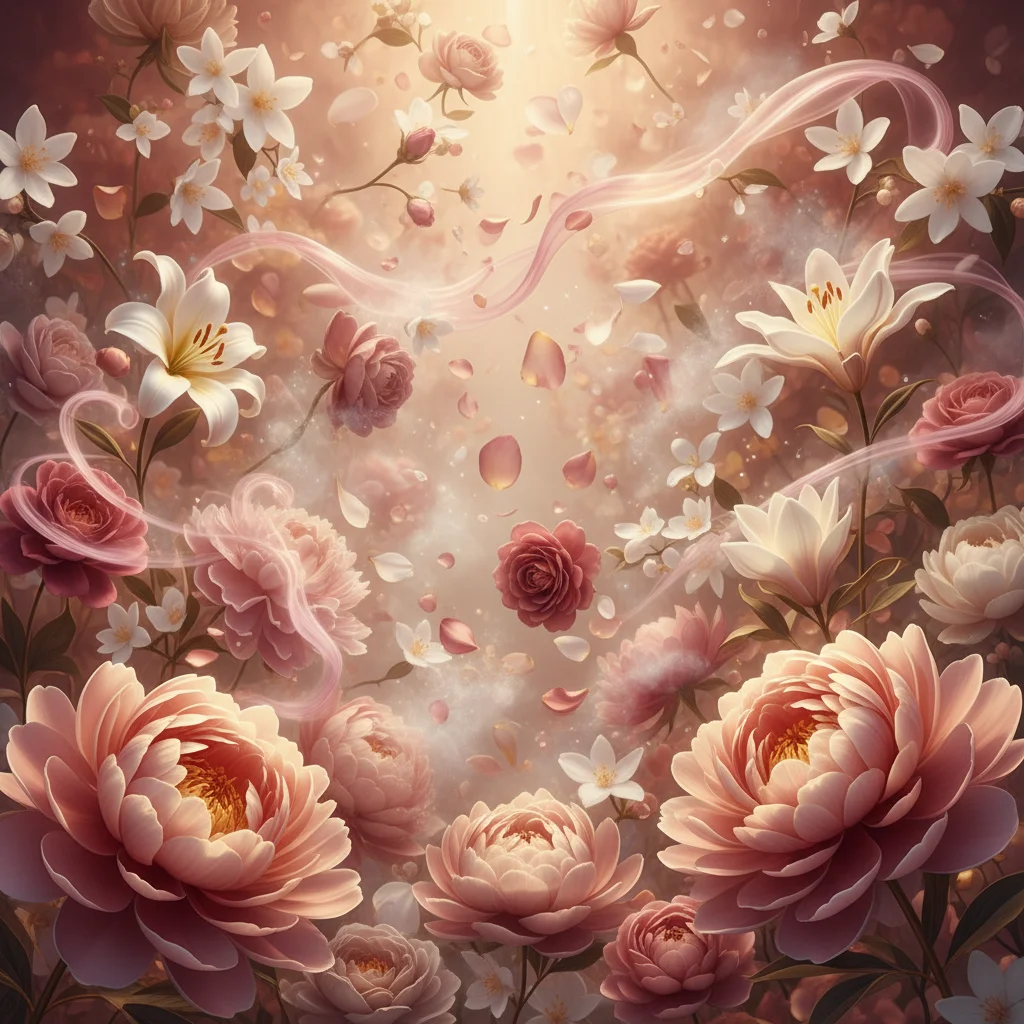
From barely-there petals to full-bodied, room-filling blooms. Florals get dismissed as safe, but the right one can be the most quietly powerful thing you wear.
Who wears floral?
All floral Fragrances













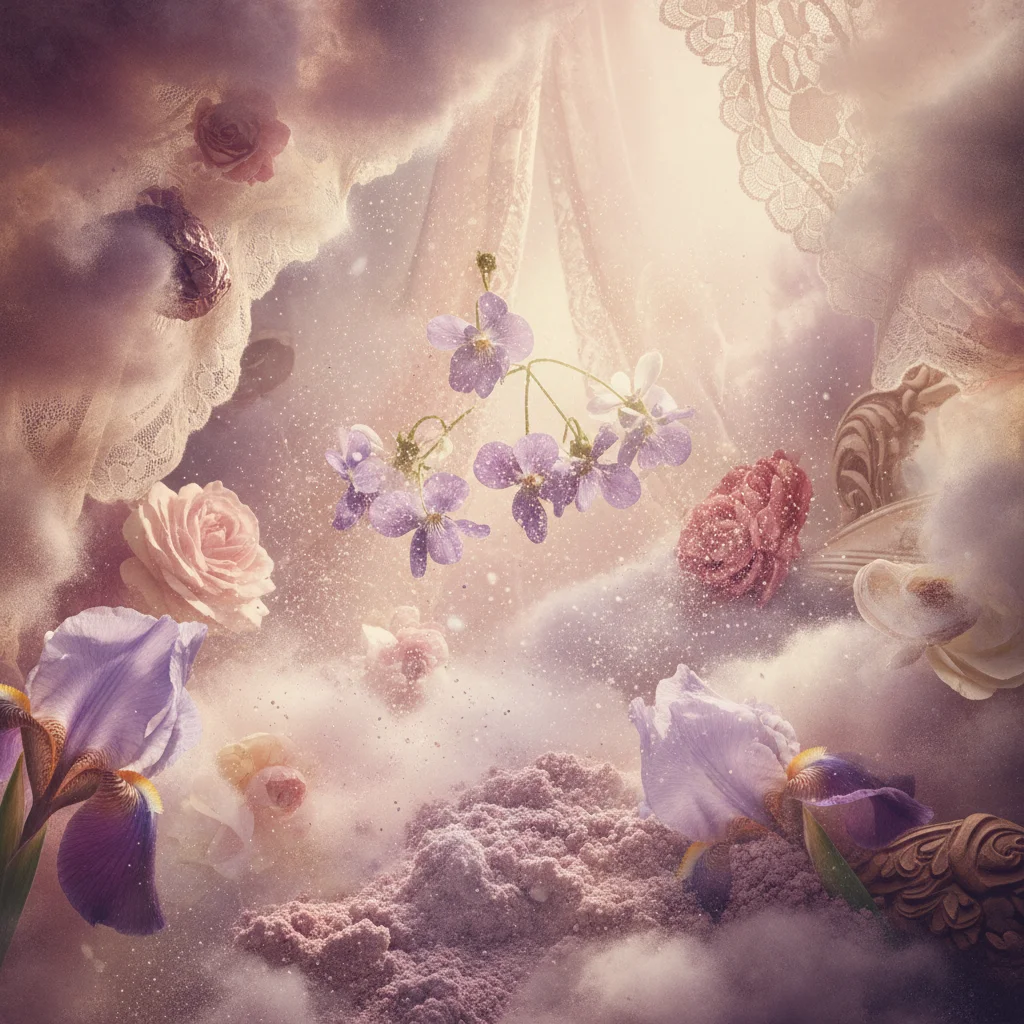

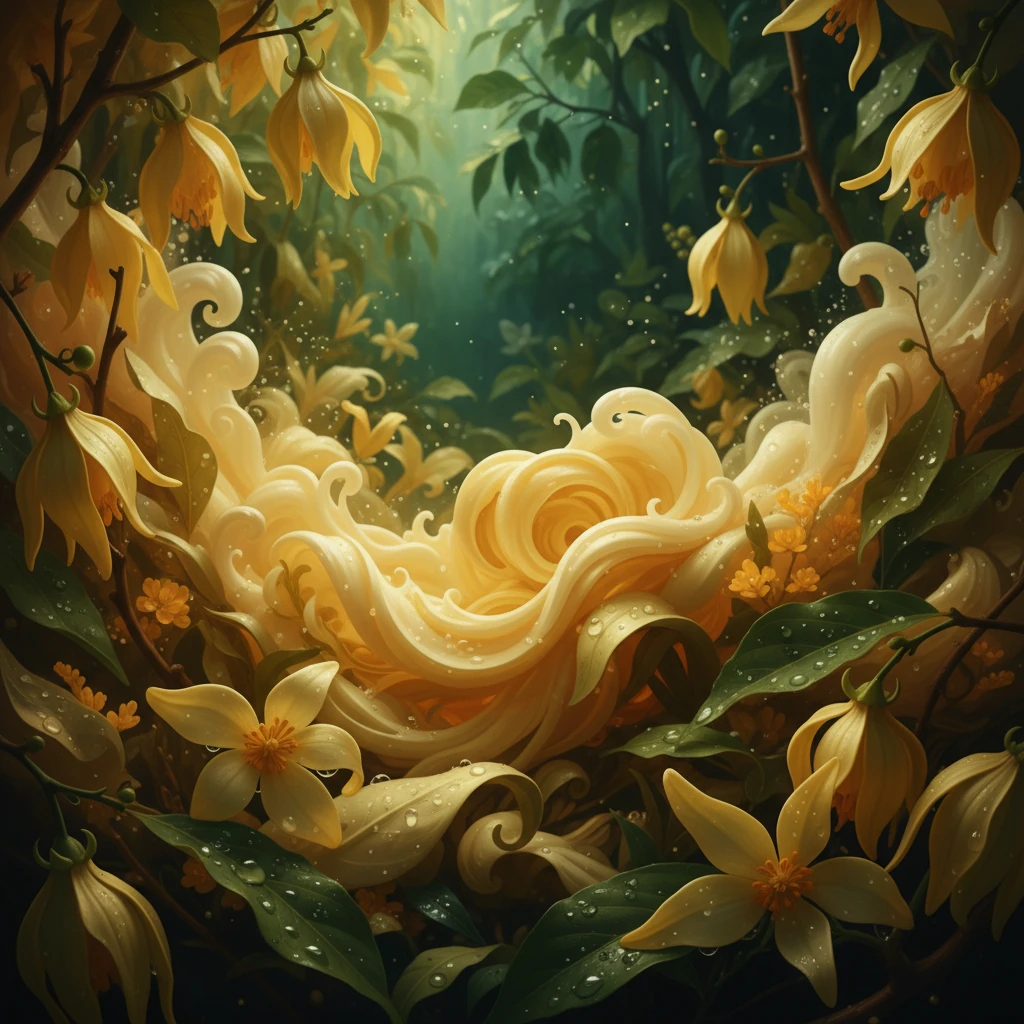
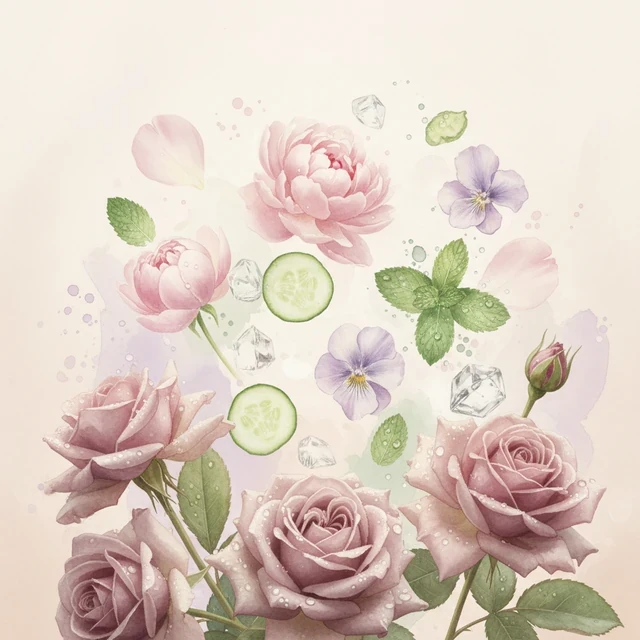


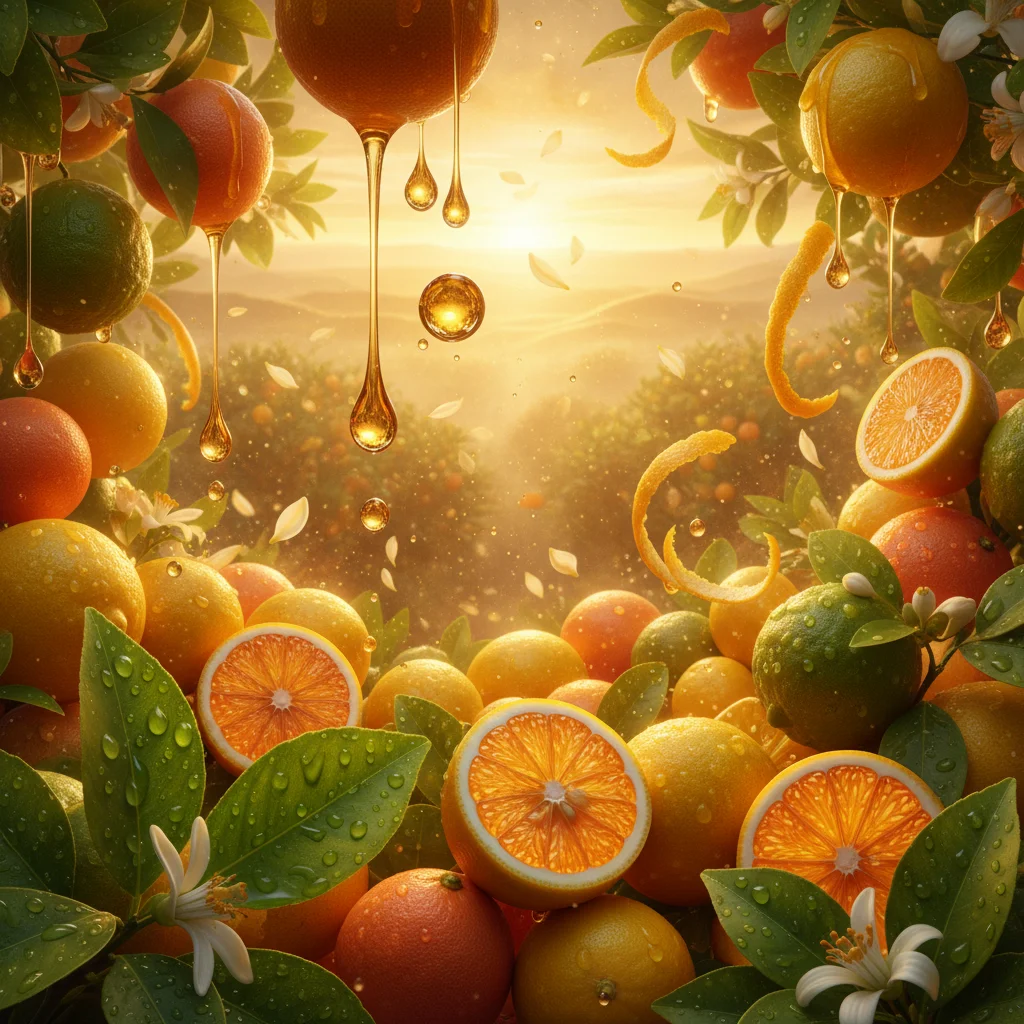

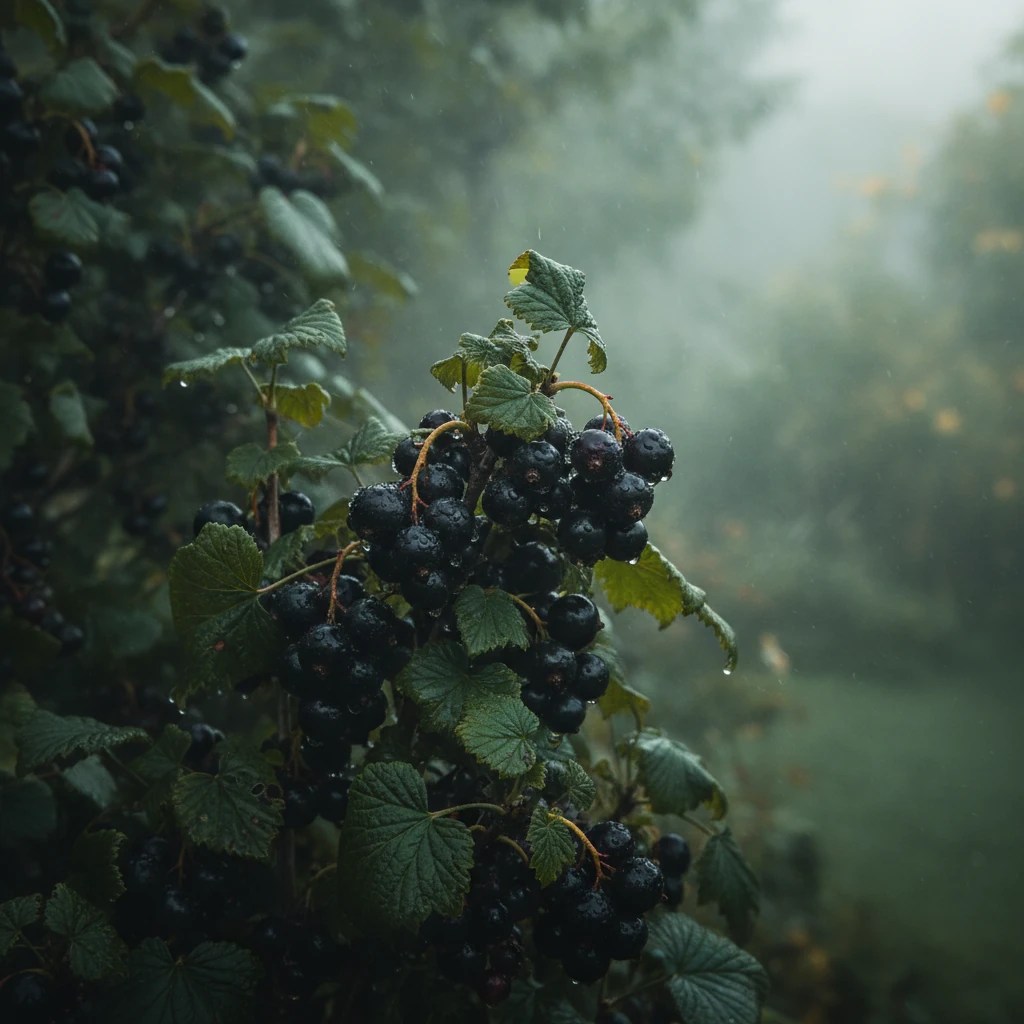


















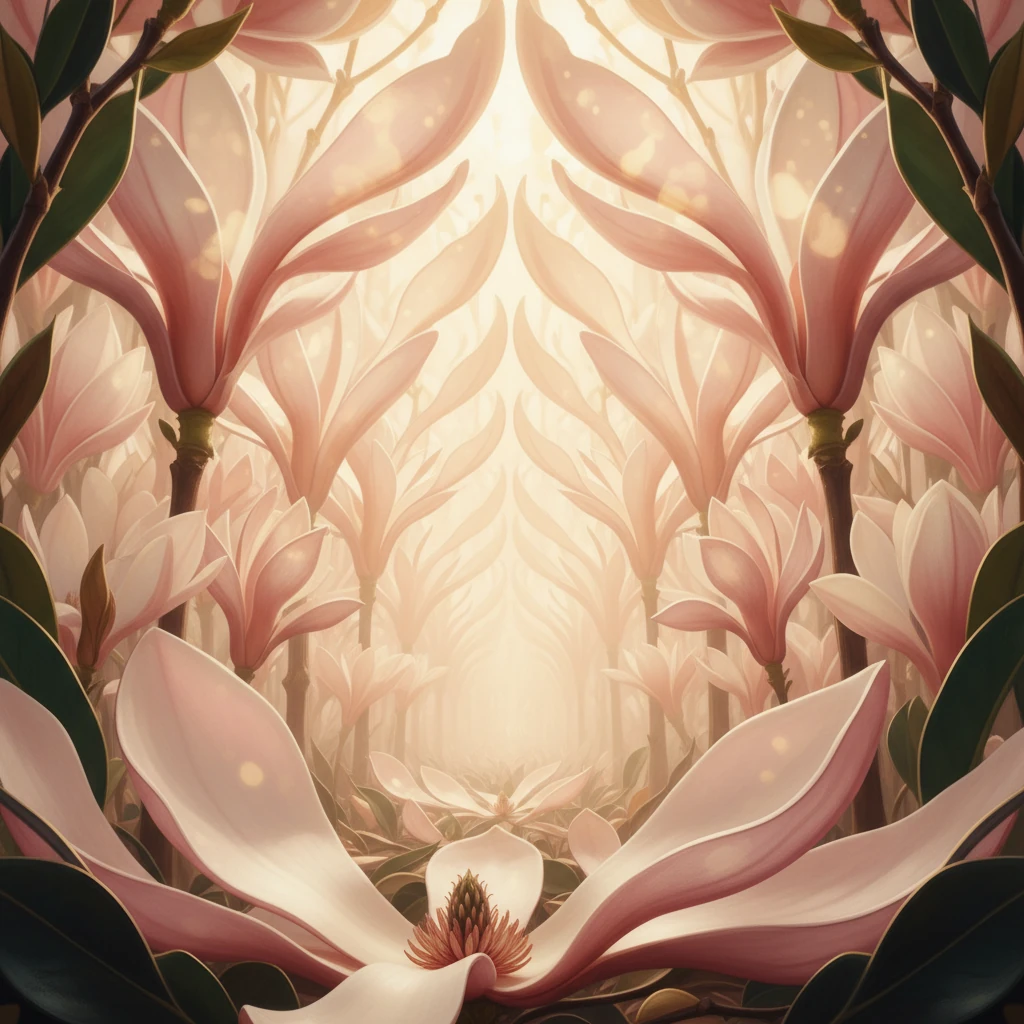

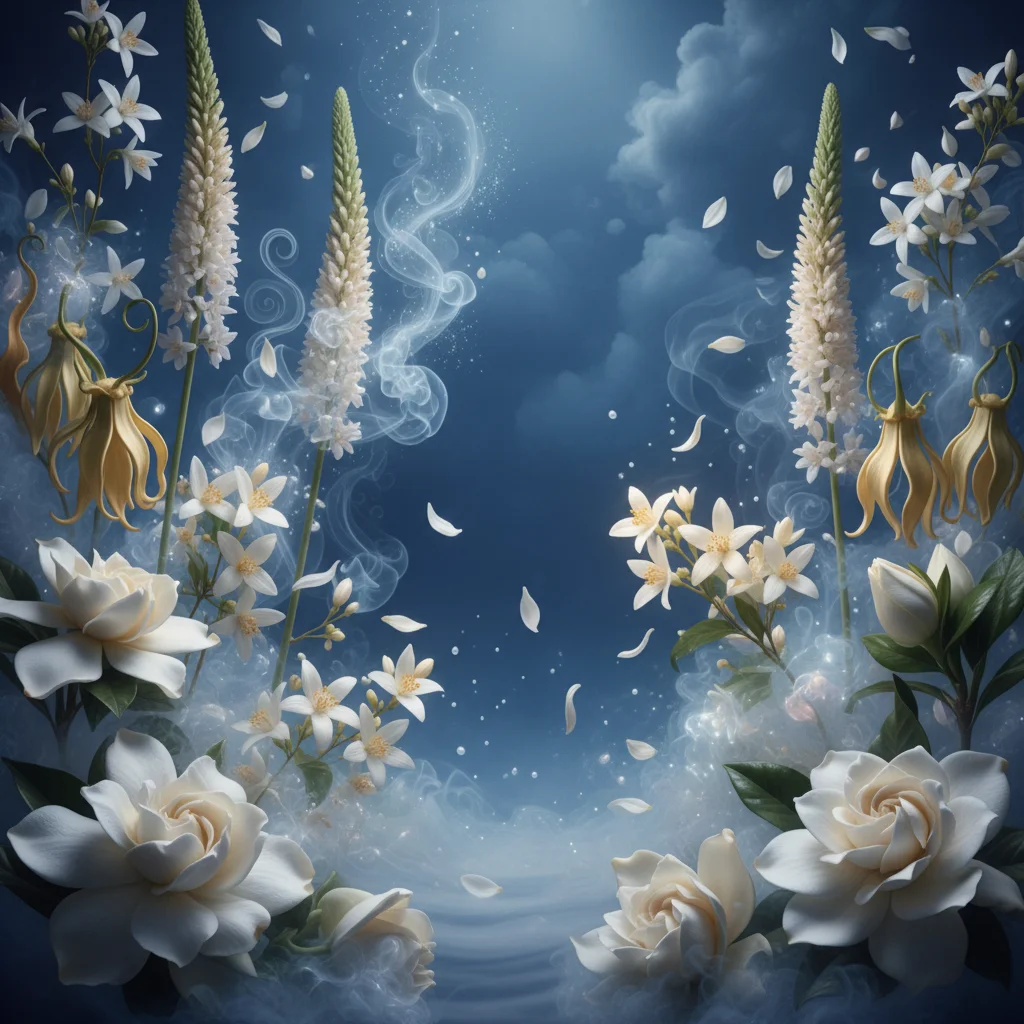









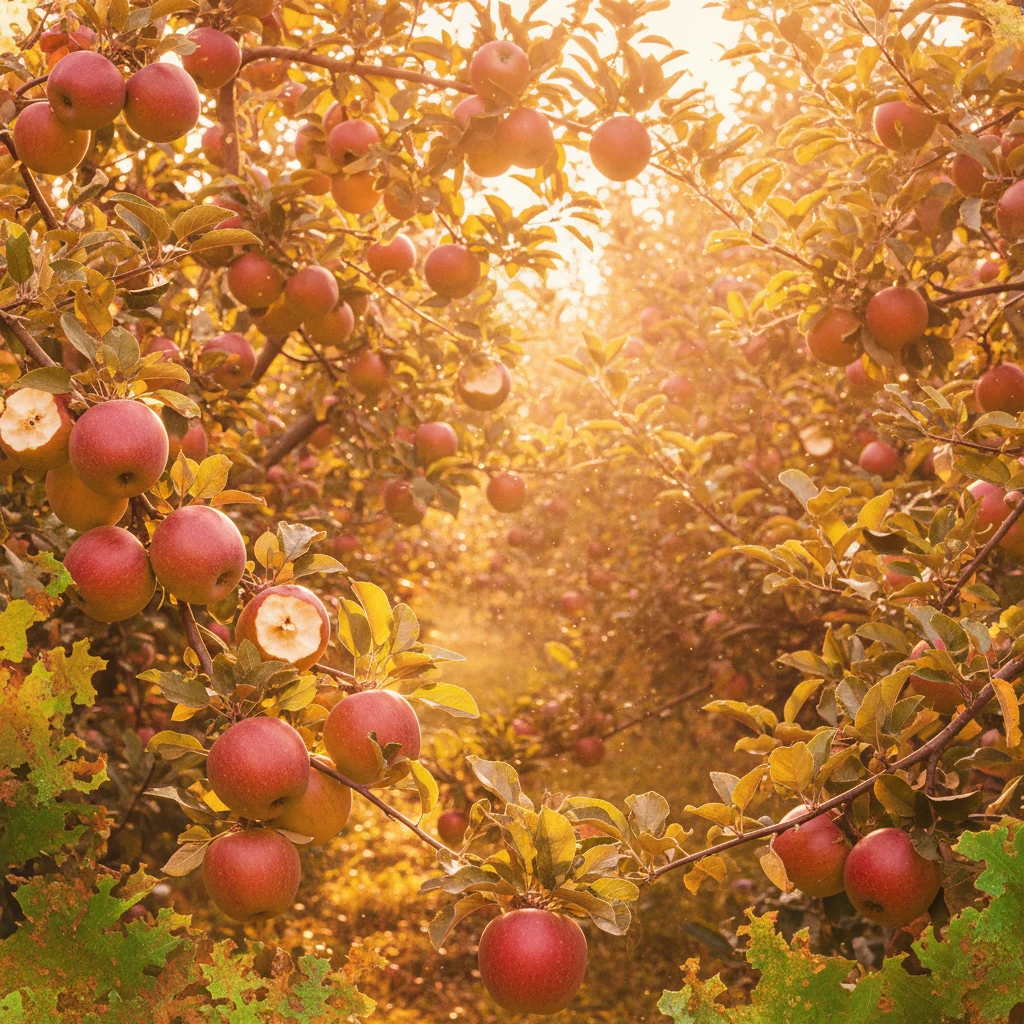
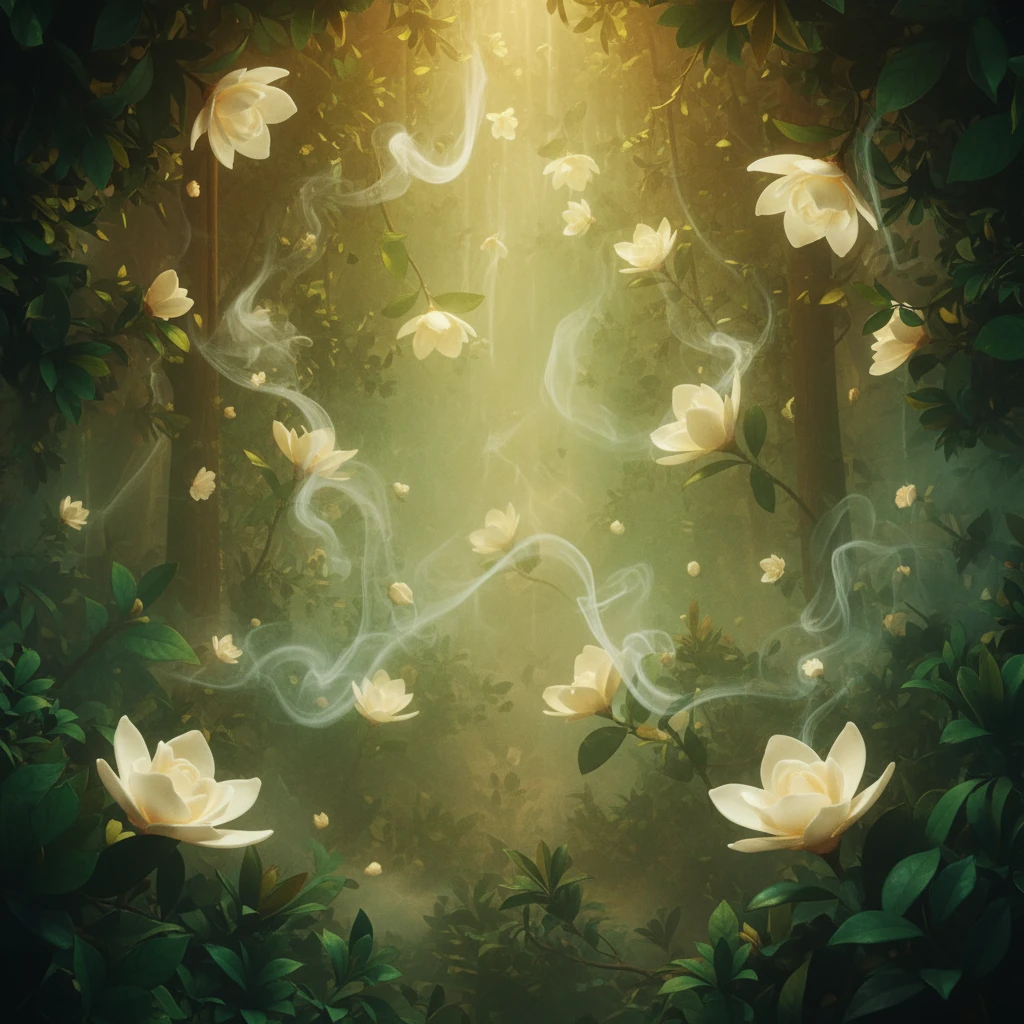
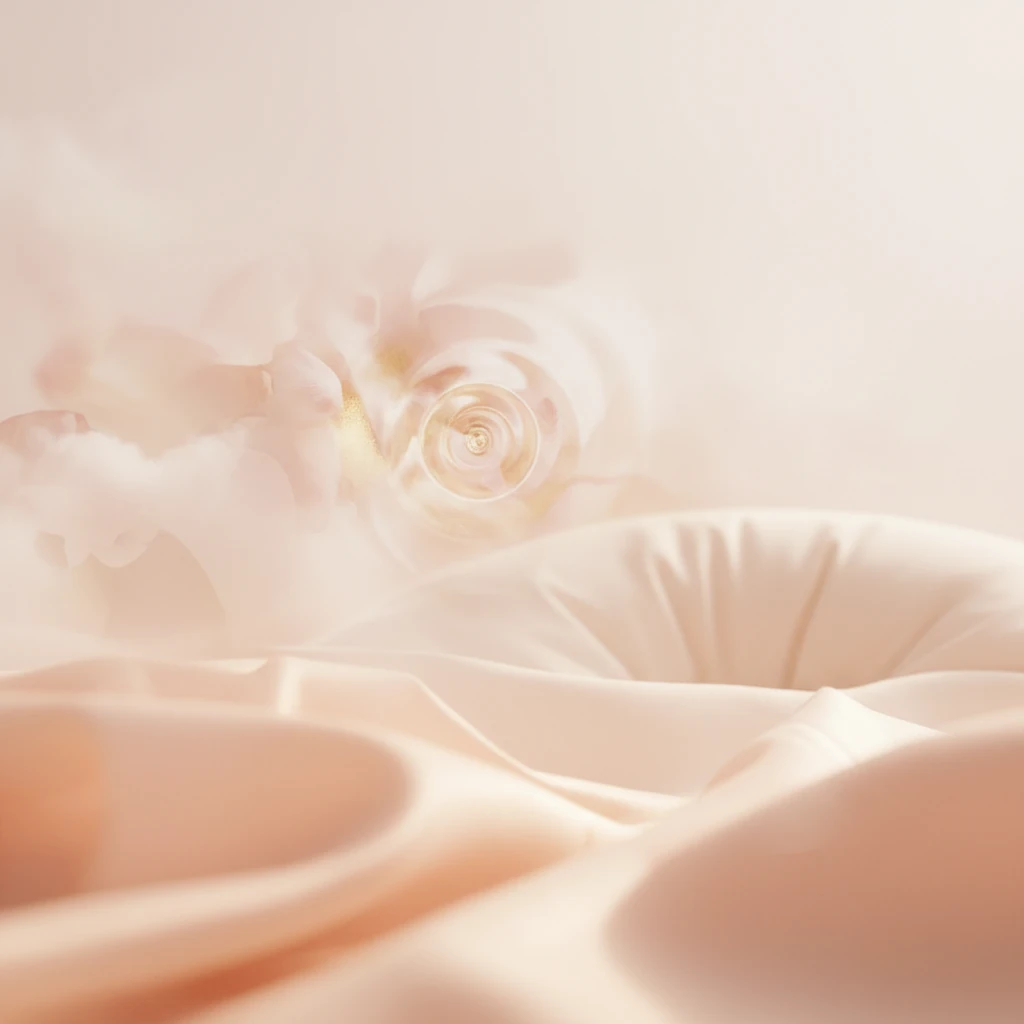
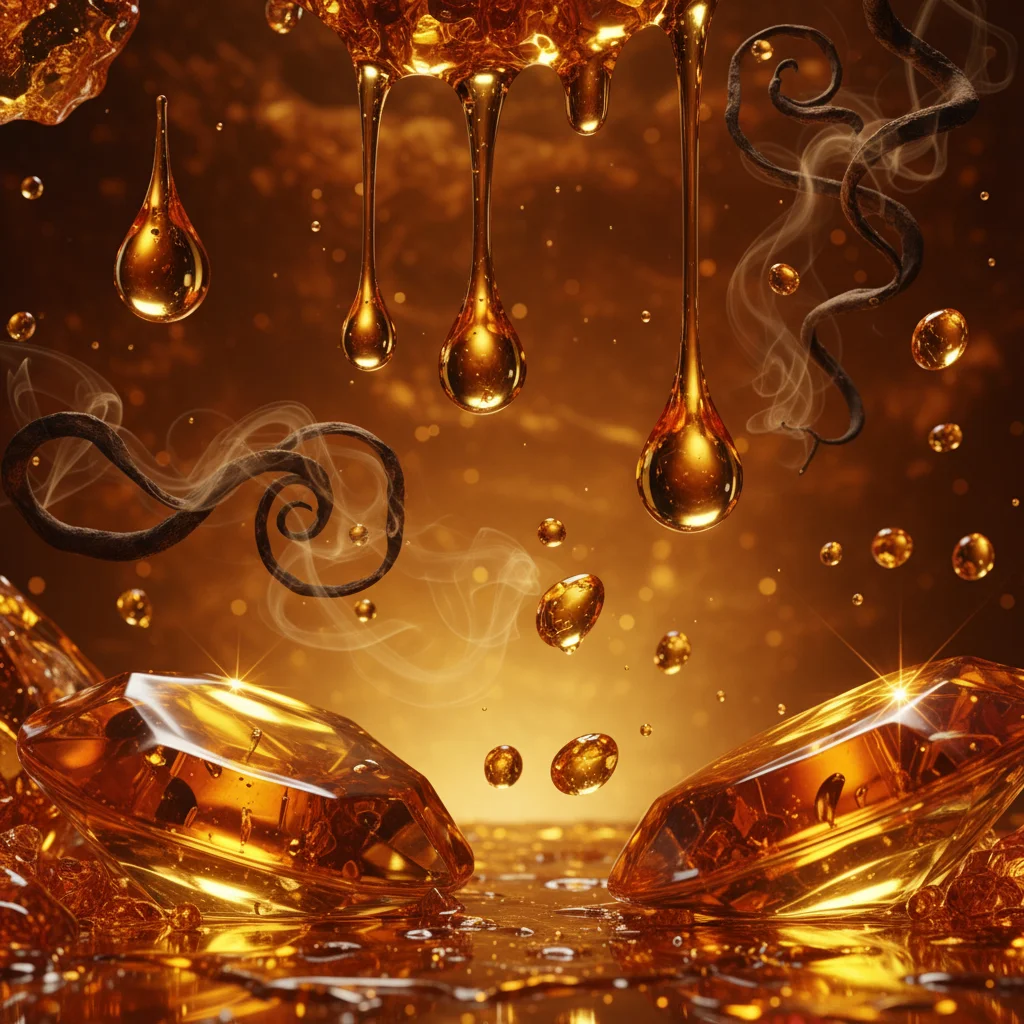








Explore This Vibe Further
Into floral? These sit in the same world but each takes it somewhere slightly different.
Celebrities Who Wear floral
What Defines Floral Fragrances?
Floral fragrances are the heartbeat of the perfume world, but don’t mistake their popularity for predictability. At their core, they are nature’s most emotive storytellers, capturing everything from the first, crisp green snap of a spring tulip to the heavy, honeyed velvet of a rose in full bloom. They aren't just about "smelling like a garden"; they are about capturing a specific kind of identity—one that can be as delicate as a silk slip or as commanding as a red lip. Whether it’s the clean, soapy comfort of lily of the valley or the carnal, heady pull of jasmine, florals are defined by their ability to translate raw botanical beauty into a wearable mood. They are the ultimate chameleons of scent, grounding us in the familiar while offering enough complexity to keep us entirely addicted. It’s the category we always return to, because a well-crafted floral doesn’t just sit on the skin; it lives with you.
Understanding the Floral Family
Navigating the floral family is about choosing your own aesthetic adventure. On one side, you have the soliflores—the purists. These are scents dedicated to a single note, like a hyper-realistic violet or a photogenic peony, perfect for when you want a fragrance that feels clear, intentional, and singular. Then there are the floral bouquets, where the perfumer acts as a digital-age florist, blending different blooms to create a mood that no single flower could achieve alone.
The real character shift happens when you look at the "sub-moods." White florals—think tuberose, gardenia, and jasmine—are the heavy hitters. They have a creamy, almost narcotic quality that delivers immediate main-character energy. Then you have green florals, which smell like crushed stems and dew, offering a "clean girl" aesthetic that feels effortless and bright. For something more nocturnal, dark florals mix traditional petals with spices or resins, turning a classic rose into something moody and mysterious. On the skin, florals are incredibly reactive; the warmth of your pulse points coaxes out the sweeter, nectar-like facets of the petals, meaning the scent you spray in the morning will often mellow into something much more intimate and skin-like by the afternoon.
When to Wear Floral Fragrances
The old rule that florals are strictly for spring weddings is long gone. While a light, airy peony is the undisputed queen of a sunny Saturday morning, florals have a range that spans all four seasons. A crisp, citrus-edged floral is your best friend during a humid UK summer, providing a much-needed sense of freshness when the air feels still. However, don't overlook the power of a "heavy" floral in the dead of winter—a spicy carnation or a honeyed rose has enough weight to cut through the cold, feeling like a secret layer of luxury tucked under a heavy cashmere coat. For day, look for "sheer" or "watery" descriptors; for night, lean into the "absolute" or "nocturnal" versions that linger long after the lights go down.
Buying Guide
When investing in a floral, the first thing to check is the concentration. Florals can be fleeting, so if you want your scent to last from your morning coffee through to a late dinner, an Eau de Parfum (EDP) is usually worth the extra spend over an Eau de Toilette (EDT). Be wary of the "powder" factor—some traditional florals can lean towards a vintage, "boudoir" feel, which is a specific vibe if you love it, but can feel slightly dated if you’re looking for something sharp and modern. Look for "modern musks" or "solar notes" in the base to ensure the scent feels current and grounded.
Price-wise, you’re often paying for the quality of the natural extracts; jasmine and rose petals are notoriously expensive to harvest, which reflects in the price tag of high-end niche bottles. If you’re being savvy with your budget, look for scents that use "white tea" or "pear" to lift the floral notes without relying on pricey absolutes. Finally, don't be afraid to layer. A simple rose scent becomes something entirely bespoke when misted over a basic wood or musk base—it’s the easiest way to make a classic category feel entirely your own. se often perform better than cheap "natural" extracts which can turn soapy. If you’re investing in "Luxury," look for "absolutes"—highly concentrated extracts of Jasmine or Tuberose that offer a depth and "realness" you won't find on the high street.
A pro tip for the floral-shy: try layering. If a woody scent feels too masculine or a citrus too sharp, a simple, single-note rose or neroli spray can "soften" the edges without making you smell like a bouquet. It’s the easiest way to create a custom scent that feels like a curated choice, not just a blind purchase.
Not quite right?
Maybe you want the opposite vibe entirely — leather is about as far from floral as you can get. Or let us narrow it down for you.